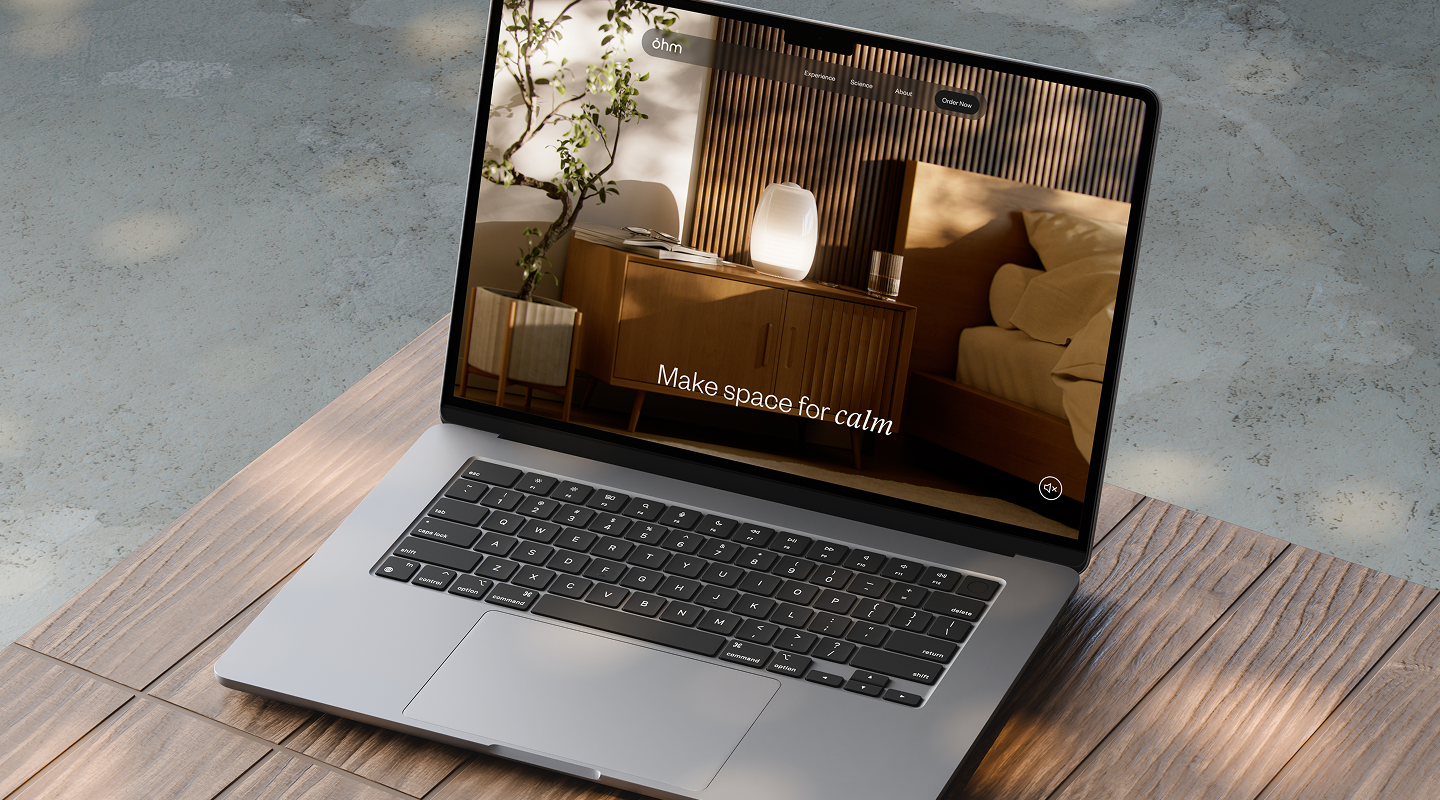
Brand strategy and positioning is the work of defining a brand's purpose, its place in the market, its personality, and what sets it apart. We develop vision and mission, positioning statements, the personality traits that give a brand a consistent character, and the design principles that turn all of it into something a team can actually use. This is the strategic foundation that aligns internal culture with external perception and guides every decision that follows it. At Whipsaw it usually happens early, to set the compass, with brand design coming after product concept exploration so the identity is shaped by the product itself.
Naming and verbal identity is the work of creating brand and product names and the broader verbal system around them. We develop names through collaborative ideation, structured workshops, and stakeholder refinement, then run final candidates through USPTO trademark screening with optional IP legal review. You move forward with a name that's distinctive, ownable, and legally clear, plus the verbal building blocks that extend from it.
Voice, narrative, and messaging is the work of defining how a brand speaks and the story it tells. We develop tone of voice, key messaging frameworks, and brand storytelling principles that hold steady across website copy, packaging, pitch decks, social media, and campaigns. The goal is a brand that sounds like itself everywhere it shows up, not one that changes character from one channel to the next.
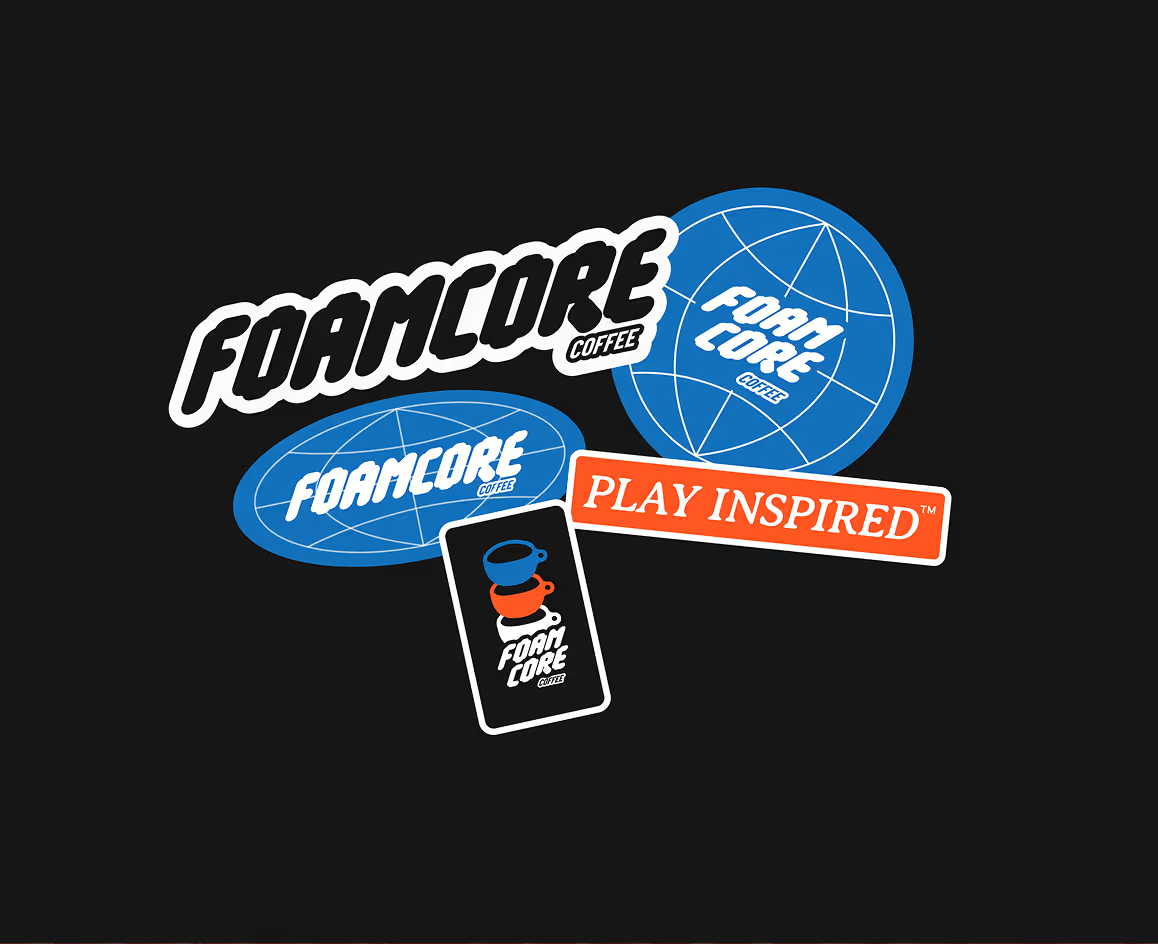
Logo and graphic identity is the design of a brand's 2D visual core, the logo, color, typography, and graphic elements that make it recognizable on a page or screen. We design the logo, color palette, typography system, iconography, illustration style, and photography direction, developing each through iterative exploration. Every element is built as part of an integrated system, not a collection of assets that happen to sit near each other.
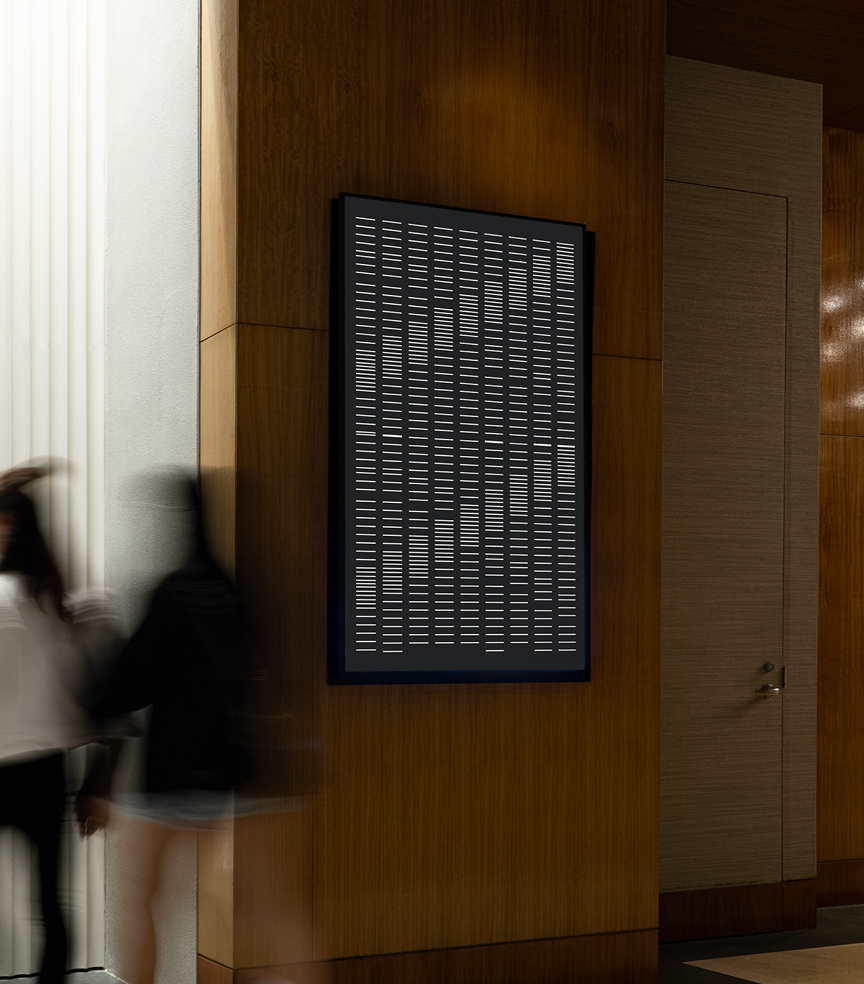
Visual brand language is the cross-medium system that governs how a brand takes physical and dimensional form, well past the logo and the page. VBL extends identity into product form language, CMF, UI patterns, packaging structure, and environmental graphics. The result is a scalable design language where what someone sees on screen, holds in hand, and encounters on a shelf all feels unmistakably like the same brand. It's the connective tissue between a company's products, its digital experiences, and how people recognize it.
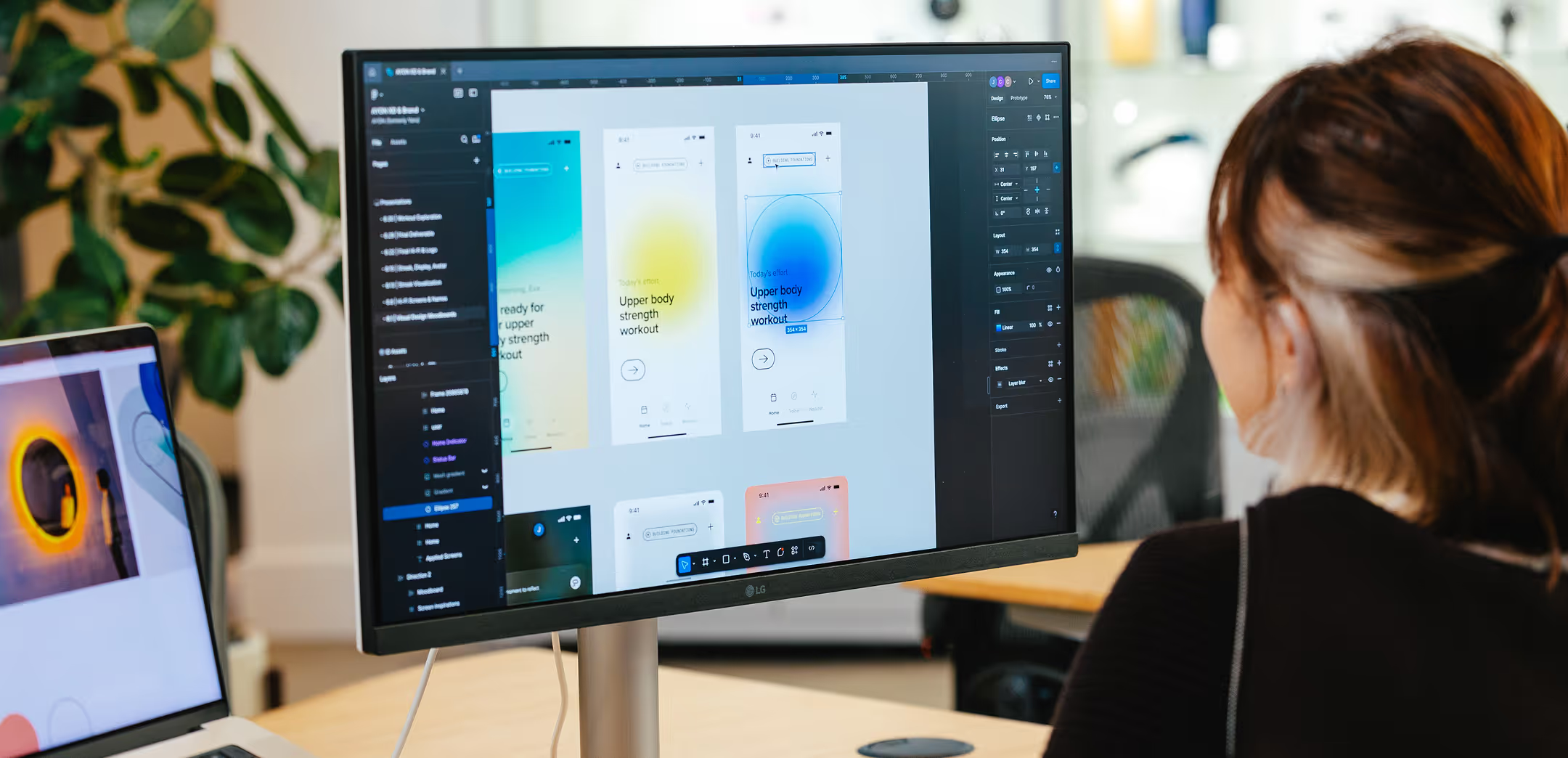
Brand guidelines and design systems consolidate everything a brand is, strategy, audience, voice, and visual identity, into a reference a team can actually execute from. We deliver comprehensive guidelines along with supporting templates for presentations, pitch decks, and collateral, so a team can work consistently from day one. Increasingly these are living, dynamic systems rather than static documents, built to evolve as the brand grows.
Packaging graphics and collateral is the design of the brand's physical and printed expressions, from the box on a shelf to the deck in a pitch meeting. We design packaging graphics, pitch decks, swag, trade show graphics, social templates, and marketing collateral, all built on the identity system and brand guidelines. Nothing the audience touches should feel off-brand or improvised, and this is the work that makes sure it doesn't.
Brand experience and service design is the work of making a brand coherent across every interaction, not just the ones you can print. We map the full ecosystem around a brand, users, stakeholders, channels, and touchpoints, and use service blueprinting to find the gaps and friction between them. The aim is for physical, digital, and human interactions to work together as one experience, so the brand holds up in use, not just on a style guide.
Vision and innovation roadmapping is the work of connecting where a brand is now to where it's headed, and sequencing how it gets there. We help leadership teams define a long-term vision and structure a phased plan that aligns stakeholders around priorities, timelines, and investment decisions. It links today's brand to tomorrow's product and market ambition, so growth is deliberate rather than reactive.
Speculative design and brand futures is the practice of envisioning where a brand could go, using future-state concepts to provoke strategic conversation today. Through trend forecasting, scenario development, and speculative concept artifacts, we help leadership teams think past incremental change and explore what the brand could be in three, five, or ten years. These futures aren't predictions. They're tools for making sharper decisions in the present.
.jpg)











.avif)
.jpg)