.jpg)
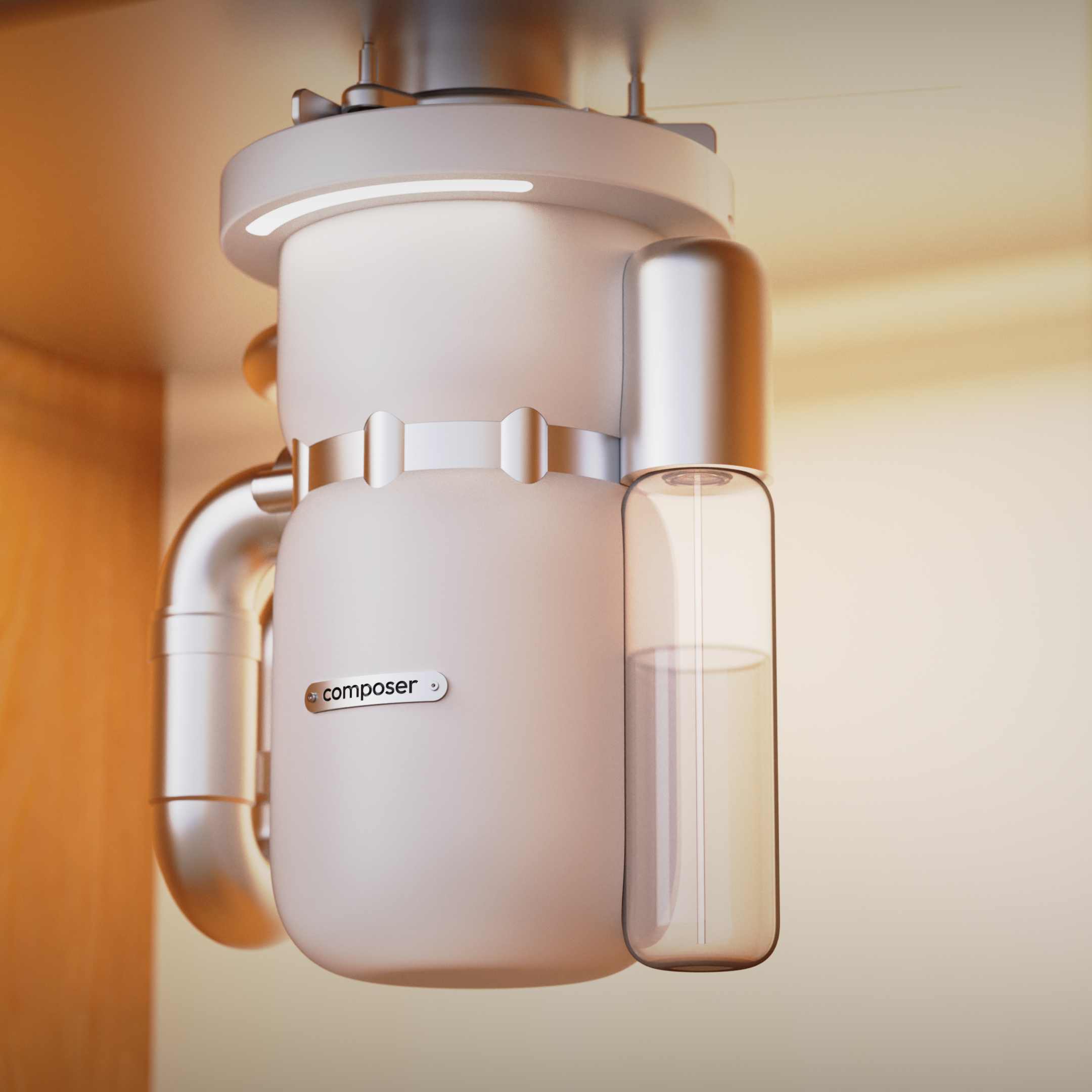
Composer In-sink Disposal




A go-to-market strategy is the plan for how a product reaches its first customers and keeps reaching them. For hardware, it covers who you're selling to, where, what you say, and how attention turns into orders. The difference from software: you can't ship a fix on Monday.
Software lets you launch, watch the data, and patch what's broken. Hardware doesn't. Your packaging is printed, your units are built, your price is locked against a bill of materials. If the positioning is wrong, you can't update it. So hardware GTM has to be right before launch, not after. It also handles things software founders skip: lead times, inventory, fulfillment, retail, and unit economics that work at physical scale.
Earlier than feels comfortable. At the very least, start GTM when you commit to tooling, not after the product's built. In an ideal world, your GTM strategy is part of your earliest brand strategy conversations, understanding who your customers are and how you plan to reach them.
If you treat go-to-market as something to sort out once the hardware's done, then you've already locked the choices GTM should have shaped: who it's for, what it costs, what it's called, how it looks on a shelf. The triggers that should start the clock are a funding round with a launch date, a manufacturing commitment, or a pre-order window. If any of those sit six to nine months out, the clock's already running. Positioning, web, and visuals all take time. Stack them at the end and you'll slip the date or ship something thin.
A real launch is more than a website and a press release. It's a connected system: strategy, story, digital presence, visuals, campaign, and the commerce engine underneath.
What it usually includes:
Positioning and messaging. Who it's for and why it matters. Everything downstream depends on it.
Audience and channel mapping. Where your buyers are and how you reach them.
Website and landing pages. Built to convert. Often Webflow or Framer, with Shopify behind it.
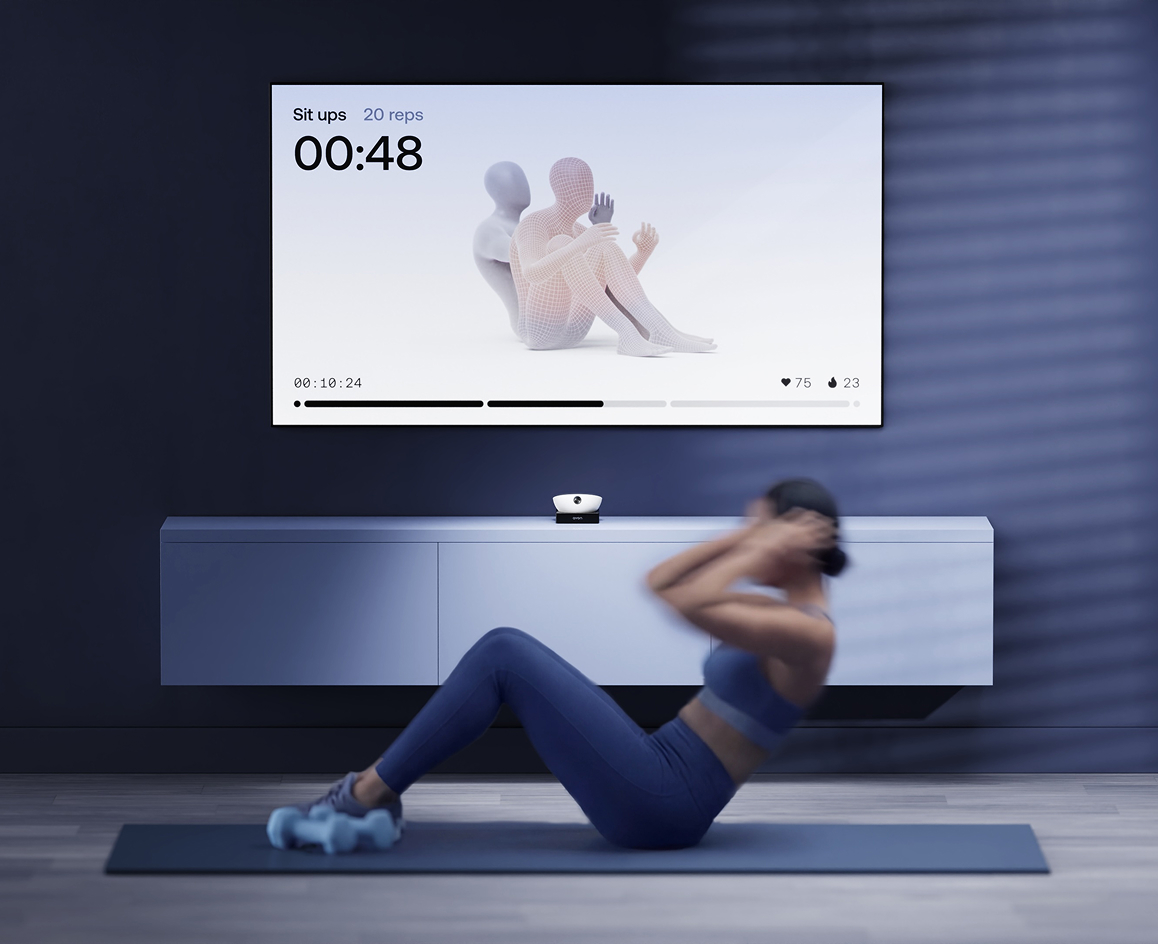
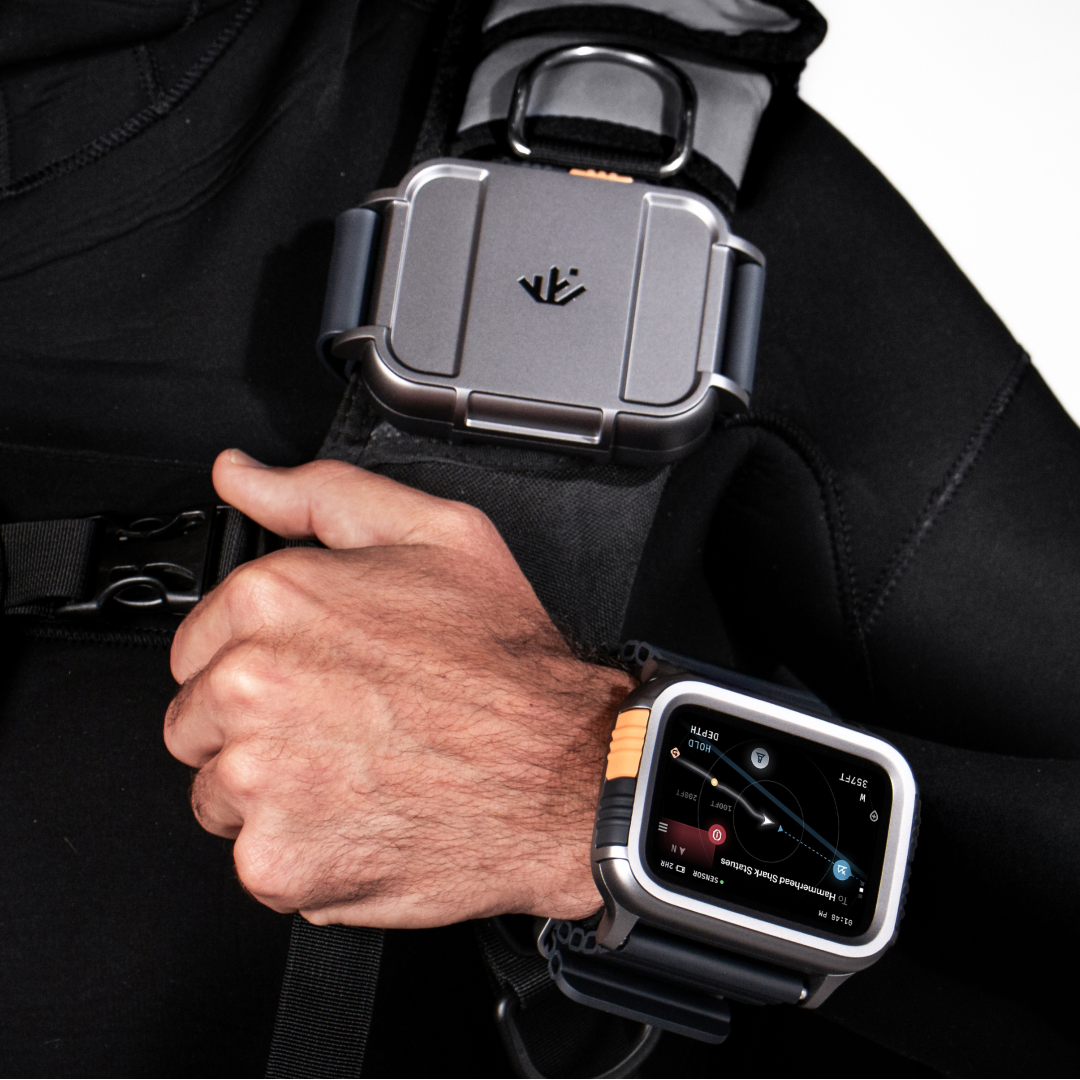
3D product visualization. Renders and animation that show the product before photography exists.
Launch campaign. Paid, social, email, and PR working together.
E-commerce and email automation. The plumbing that turns interest into orders.
Packaging and unboxing. The last impression, and often the most shared.
Not every launch needs every piece. The point is they're linked. One team on the whole picture beats four teams drifting apart.
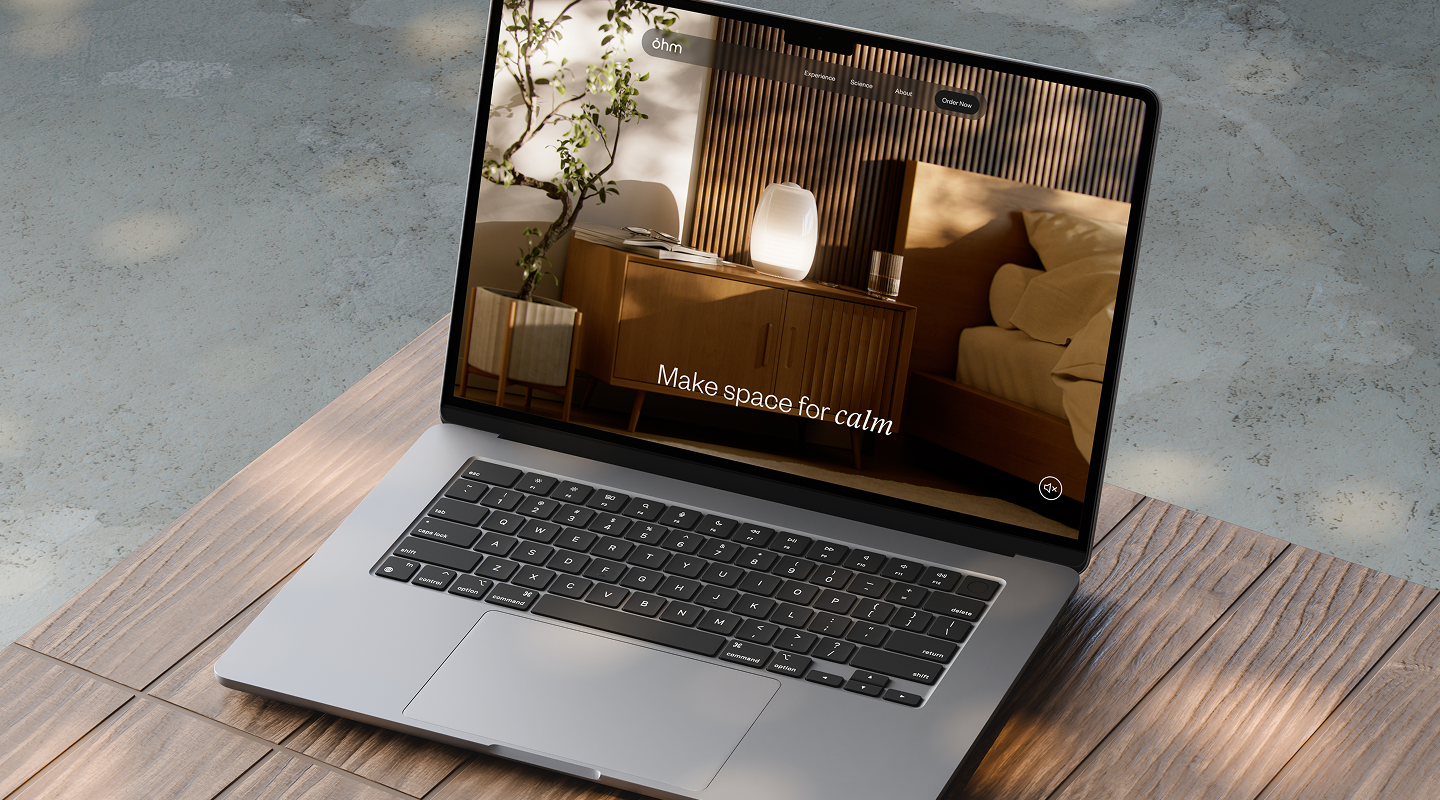
You build it in 3D. High-fidelity visualization shows the product, in detail and in motion, before a single unit exists or a camera's pointed at it.
This is one of the hardest problems in hardware launches. You need a website, ads, a pre-order page, and a deck, but the product's still in tooling with no photography. Most founders wait, which kills momentum, or ship grainy prototype shots that undercut a premium price. Done well, renders look like photography and do things photography can't: exploded views, cutaways, finishes swapped on demand, animation of how it works. You launch a polished store while the product's still on the factory floor. For pre-orders and crowdfunding, this is the whole shop window.
Often yes, because hardware's expensive to build and pre-orders prove demand before you fund a full production run. What's right depends on what you need most: validation, capital, or speed.
Crowdfunding (Kickstarter, Indiegogo) gives you public proof, a built-in audience, and some press. It suits products with a clear story and a community that wants in early. The tradeoff: you're performing in public, so the assets have to be excellent on day one. A direct pre-order on your own store gives more control and keeps the customer yours, but you drive all the traffic. Either way the requirements are the same and front-loaded: sharp positioning, a converting page, strong visuals, a campaign, and clean commerce. A weak shop window doesn't get pre-orders. It gets refunds.
Most start direct-to-consumer. DTC gives you control, margin, and a direct line to customers while you're still learning who they are. Retail comes later, once the product's proven.
DTC means you own the store, the data, and the relationship. You set the price and keep the full margin minus acquisition cost. The catch: every customer is one you have to find yourself, which is why the website and campaign matter so much. Retail brings scale and shelf presence but costs you margin, control, and data. For a first product, that's usually too far too soon. The decision shouldn't be gut feel. It should fall out of channel mapping: where do your buyers already shop? Start there. Expand once the model works.
When the launch matters more than your team can handle alone, and the calendar won't wait. For most funded hardware startups that's the norm, because the people who built a great product rarely have launched ten of them.
The pattern's familiar: a technical team raises money, builds something good, then hits launch with no in-house brand, marketing, or web. Hiring a full team takes months you don't have. So the product's great and the launch is thin, the worst possible mismatch. A partner fits when speed is critical, when the work spans strategy, brand, web, visuals, and campaign at once, and when it has to be right the first time, because hardware doesn't get a second launch. Look for hardware fluency, not just marketing chops. Someone who gets tooling timelines, unit economics, and 3D visualization. The best partners own the whole journey, from positioning to live store. That's the gap Whipsaw fills.

.avif)
.jpg)